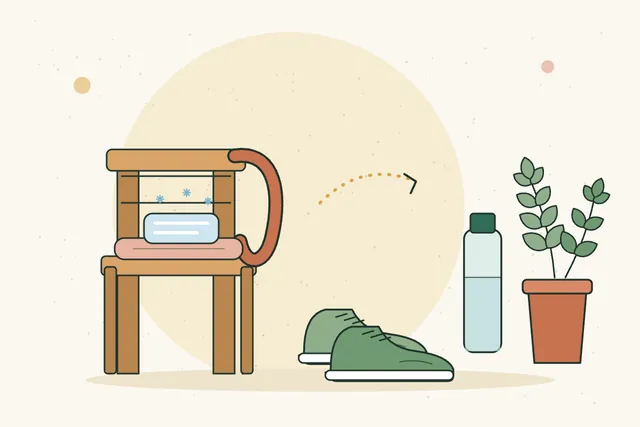
Puffy eyes are usually caused by fluid that collects in the thin skin around the eyes overnight, especially after a salty dinner, alcohol, crying, short sleep or an allergy flare. A cold compress for a few minutes is the fastest fix. Over time, steady sleep, less salt, a slightly raised pillow and good allergy control make the biggest difference. Swelling that is painful, red, one-sided or comes with other symptoms needs a doctor.
The short version
- Cold reduces swelling fast: a clean cool cloth, chilled spoons or a cold gel mask for 5 to 10 minutes.
- Salt and alcohol in the evening make morning puffiness worse.
- Allergies are a common, treatable cause. Do not rub your eyes.
- Bags that are always there are often due to age or genetics and do not respond much to home care.
- Pain, redness, vision changes or swelling elsewhere in the body need medical attention.
Why eyes get puffy
The skin around the eyes is among the thinnest on the body, so even small amounts of fluid show. When you lie flat at night, fluid can settle there, which is why puffiness is often worst right after waking and fades through the morning. Common triggers include:
- Salty meals, which make the body hold on to water
- Alcohol and dehydration
- Too little or poor sleep
- Crying
- Seasonal or pet allergies, and irritation from makeup or skin care
- Aging, as the tissues that hold fat pads in place weaken and fat moves forward into the lower lids
- Family traits: some people have under-eye bags from a young age
Quick fixes for the morning
- Cold compress. Soak a clean washcloth in cold water, wring it out and hold it gently over closed eyes for 5 to 10 minutes. Chilled spoons, a refrigerated gel eye mask or a bag of frozen peas wrapped in a thin towel also work. Never put ice directly on the skin.
- Cucumber slices. They mainly help because they are cool and moist. Slices from the fridge are a pleasant way to rest your eyes for 10 minutes.
- Cooled tea bags. Steep two black or green tea bags, squeeze them out and chill them for 20 minutes. The cold is the main benefit. Caffeine may tighten blood vessels a little, but evidence for a visible effect is weak. Skip chamomile if you have ragweed allergy.
- Gentle tapping. With clean ring fingers, lightly tap from the inner corner outward along the bone under the eye for a minute. It may help move fluid along. Do not press on the eyeball. Our guide to self lymphatic massage describes gentle face techniques.
- Sit up and move. Being upright and walking around for half an hour often reduces swelling on its own.
Keep it clean
Wash your hands before touching your eyes and use a fresh cloth or tea bag each time. Reused compresses can carry bacteria that cause eye infections.
Habits that prevent puffy eyes
Watch salt, especially at dinner
Processed foods, takeout, chips, soy sauce and cured meats are the biggest salt sources for most Americans. The Dietary Guidelines for Americans recommend less than 2,300 mg of sodium a day for adults. Eating more potassium-rich foods like beans, bananas, leafy greens and potatoes also helps balance fluid.
Limit alcohol and drink water
Alcohol dehydrates you and disturbs sleep, both of which can show up as puffiness. Alternate with water and stop drinking a few hours before bed.
Sleep enough, with your head slightly raised
Most adults need at least seven hours of sleep. An extra pillow or a slight incline helps keep fluid from pooling around the eyes. Sleeping on your back helps if you tend to wake up with one eye puffier than the other.
Treat allergies properly
If your eyes itch, water and swell in spring, around pets or in dusty rooms, allergies are a likely culprit. Rinse your face and hair after time outdoors in pollen season, wash pillowcases often and keep pets out of the bedroom. Over-the-counter antihistamine tablets or allergy eye drops can help; ask a pharmacist which suits you. Rubbing itchy eyes makes swelling worse.
Take off makeup and check your products
Sleeping in eye makeup irritates the lids. A new eye cream, mascara or skin care product can cause allergic swelling; stop anything new and see if the puffiness settles.
Protect the skin long term
Daily sunscreen and sunglasses slow the loss of firmness that makes bags more noticeable over the years. For more on that, see our guide to home remedies for wrinkles.
Safety first
- Keep products out of the eyes: hemorrhoid creams, essential oils, lemon and potato juice can burn the eyes and are not meant for this area.
- No direct ice: always wrap cold packs in a thin cloth and limit them to 10 minutes.
- Children: new swelling around a child's eyes, especially with fever, needs a doctor's assessment.
When puffy eyes are a medical sign
Most puffiness is harmless. See a doctor promptly if you notice:
- Swelling with pain, warmth, redness or fever, which can mean an infection such as cellulitis
- Swelling around only one eye, or a firm, tender lump on the lid
- Changes in vision, double vision, eye pain or bulging eyes, which can be linked to thyroid eye disease
- Puffiness that lasts all day and keeps coming back, especially with swelling in the legs or ankles, foamy urine or unusual tiredness, since kidney, heart or thyroid problems can cause fluid retention
- Itching, flaking or rash on the eyelids that does not settle, which may be dermatitis
Call 911 if eye or face swelling comes with swelling of the lips or tongue, hives or trouble breathing. That can be anaphylaxis.
If your under-eye bags are permanent and bother you, a dermatologist or oculoplastic surgeon can explain options such as fillers or eyelid surgery and their risks.
Frequently asked questions
How long does morning eye puffiness last?
Usually it fades within an hour or two of getting up, faster with a cold compress and some movement.
Do eye creams with caffeine work?
They may reduce puffiness a little for a short time, but effects are modest. Keeping the cream cold adds a cooling benefit.
Can drinking more water reduce puffy eyes?
If you are dehydrated, yes, it can help. Drinking enough water also makes it easier to cut back on alcohol and salty snacks.
Sources
- Mayo Clinic: Bags under eyes, symptoms and causes
- American Academy of Ophthalmology: What causes eyelid swelling
- US Department of Agriculture and HHS: Dietary Guidelines for Americans, sodium
- American College of Allergy, Asthma and Immunology: Eye allergy
- Cleveland Clinic: Puffy eyes, causes and treatment
Comments
No comments yet. Tried this at home? Tell us how it went.